What a decentralized application is
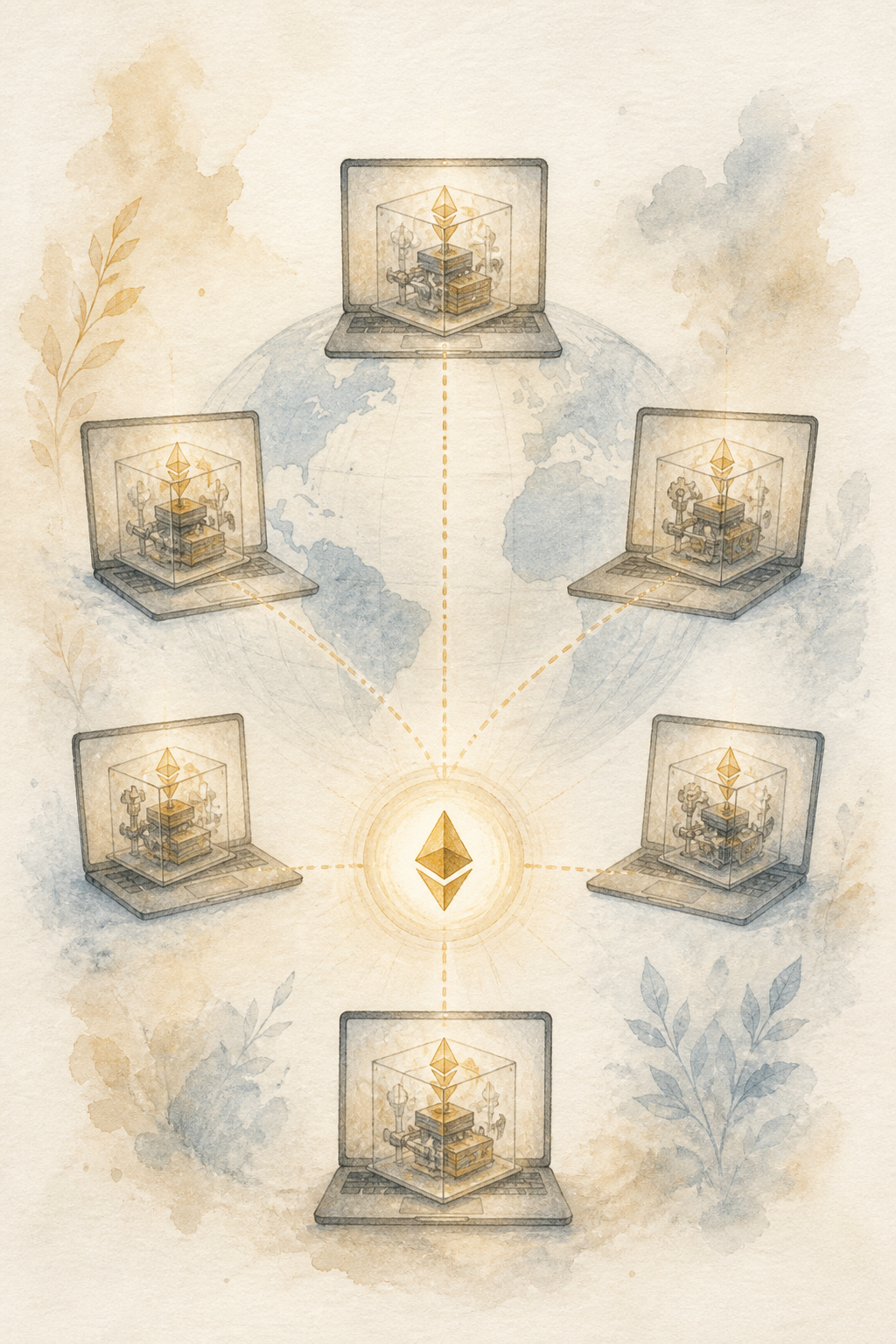
A decentralized application, or dApp, is an app that uses blockchain-based rules instead of relying only on one company’s server.
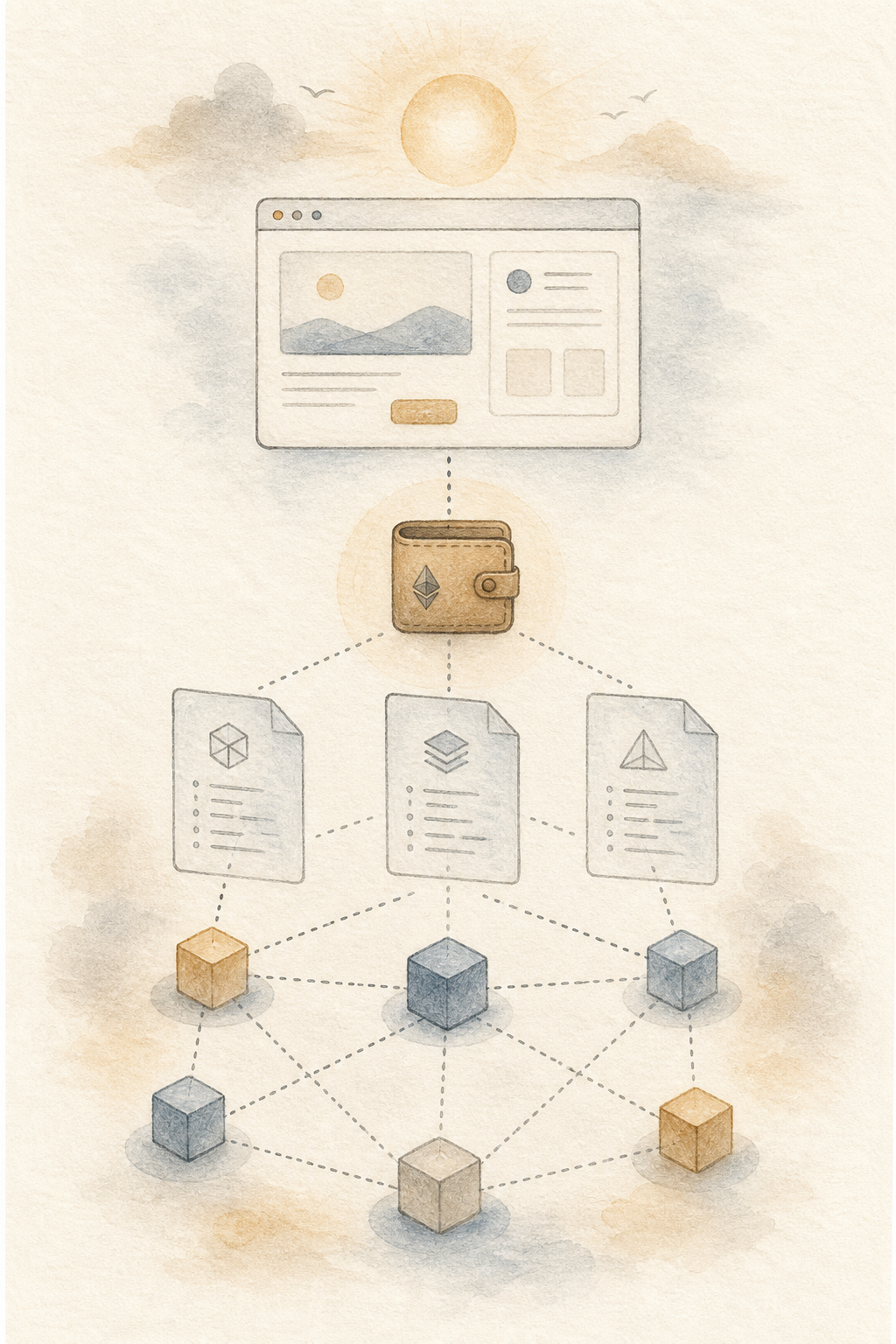
The screen may look like a normal website. However, the important actions connect to smart contracts.
That is what makes a decentralized application different from a regular web app.
The frontend still matters
Most dApps still have a frontend. This is the page users see in the browser.
The frontend helps users read information, choose actions, and connect a wallet.
So, a decentralized application is not only smart contracts. It also needs a usable interface.
The wallet replaces the login
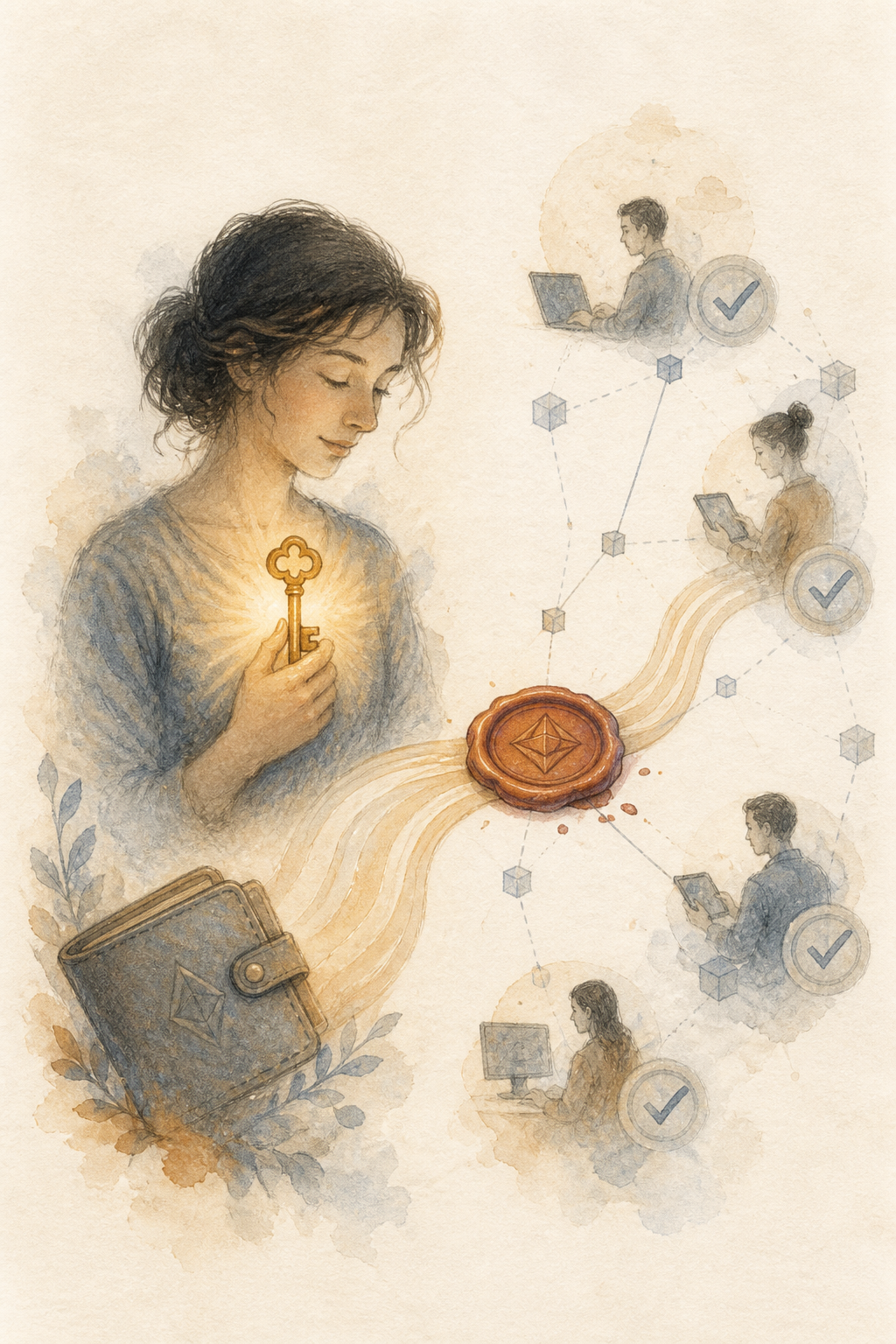
In many dApps, the wallet acts like the user account.
The wallet signs messages and transactions. Then the blockchain can verify that the action came from the right user.
This gives users more control, but it also creates more responsibility.
Smart contracts hold the rules
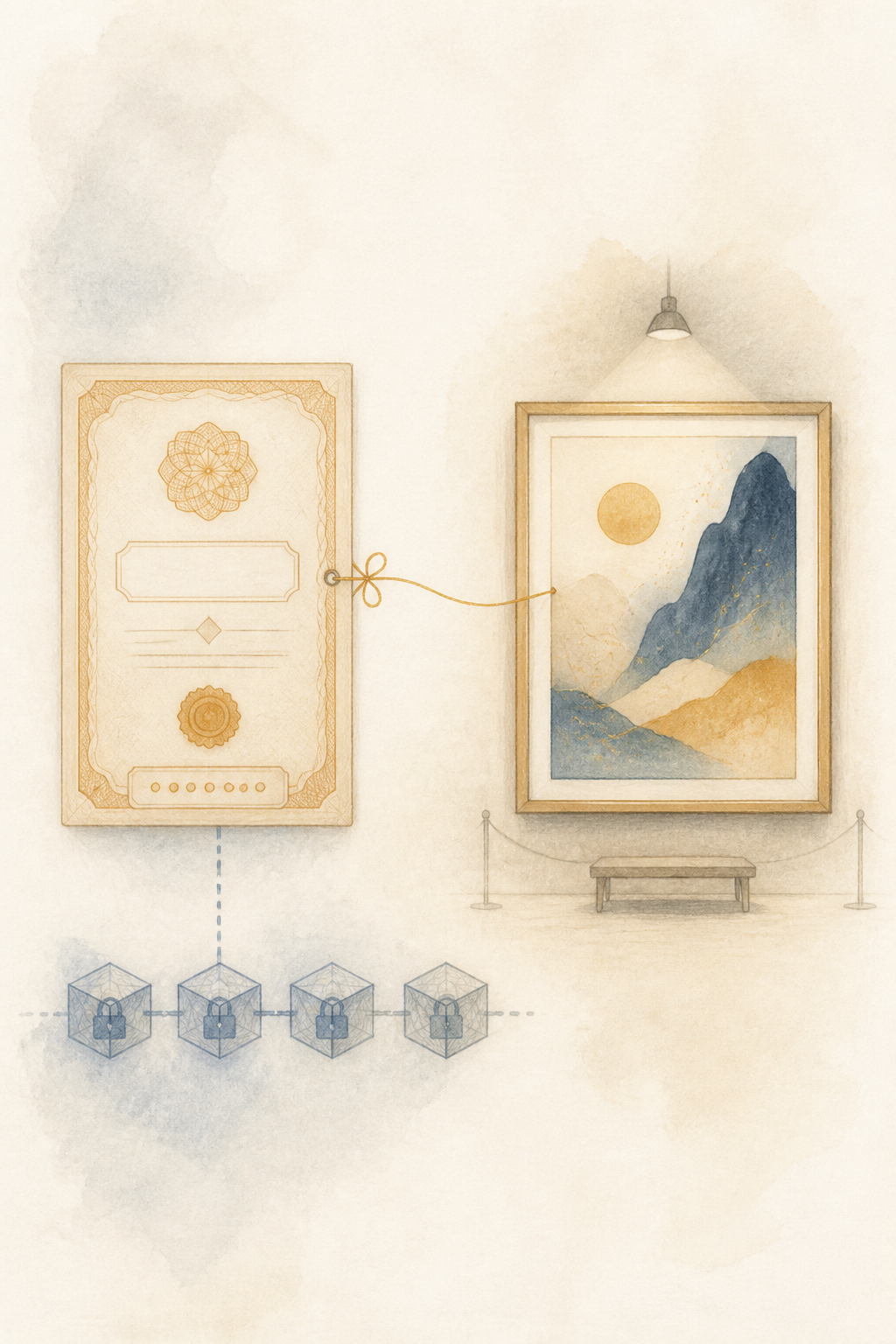
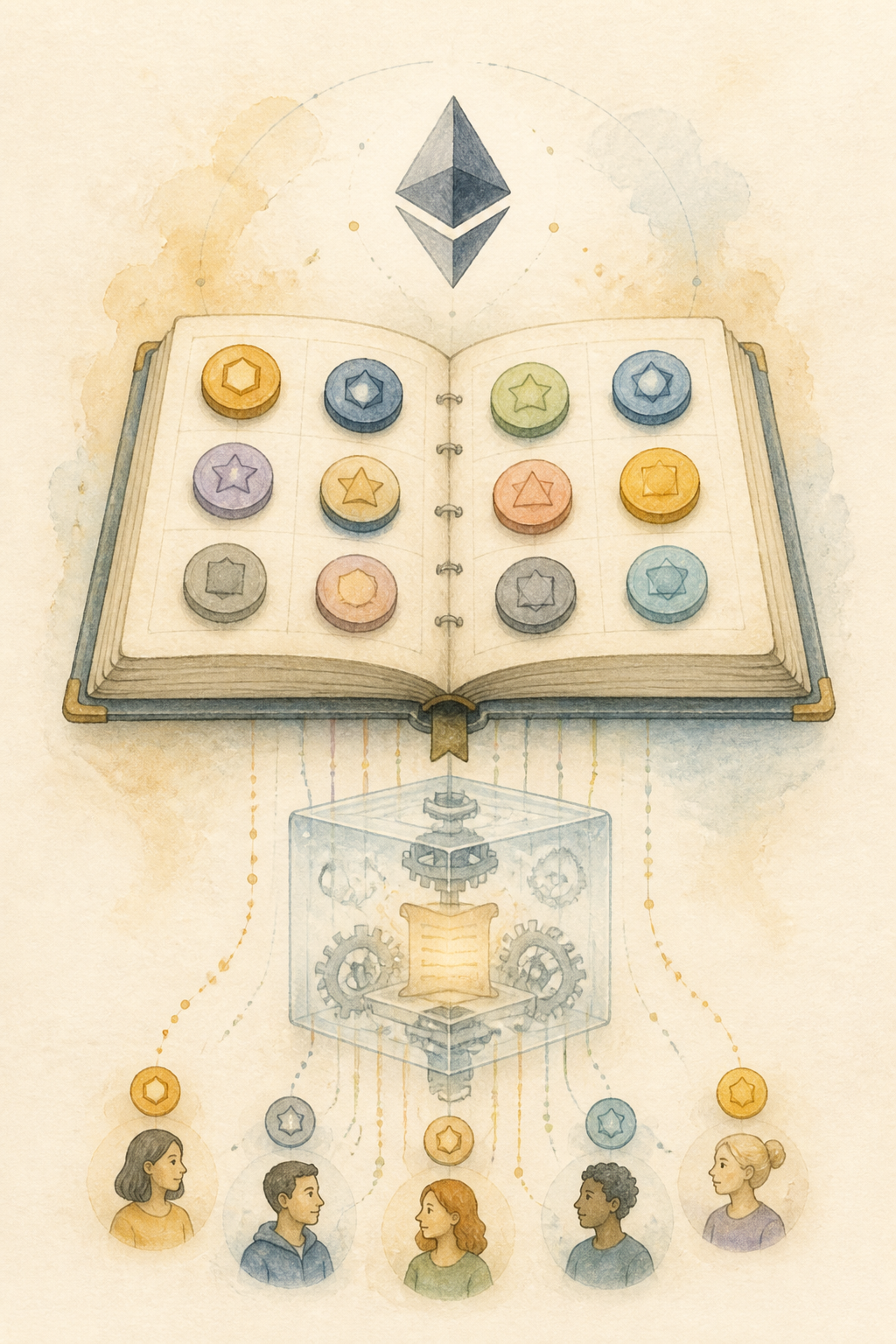
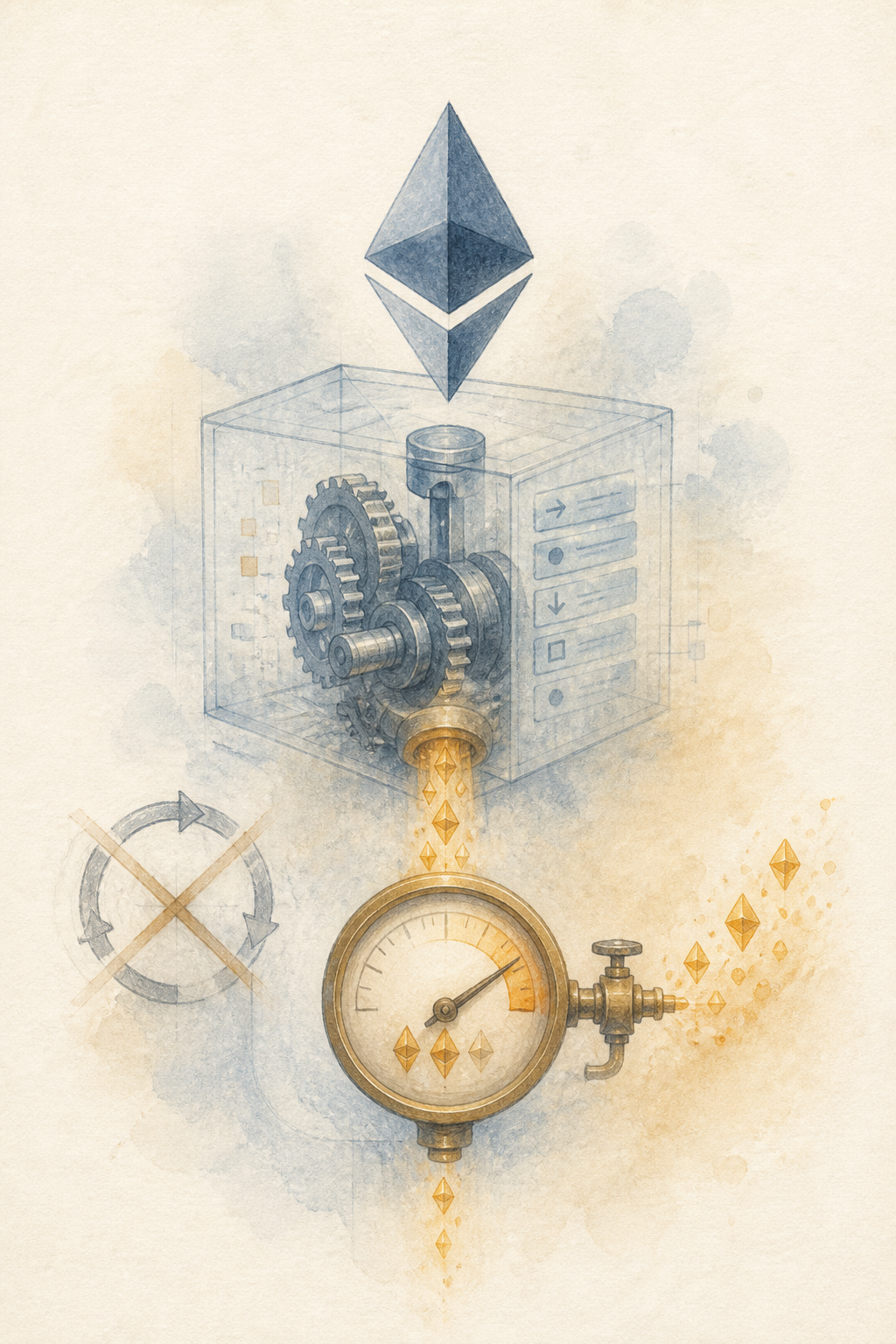
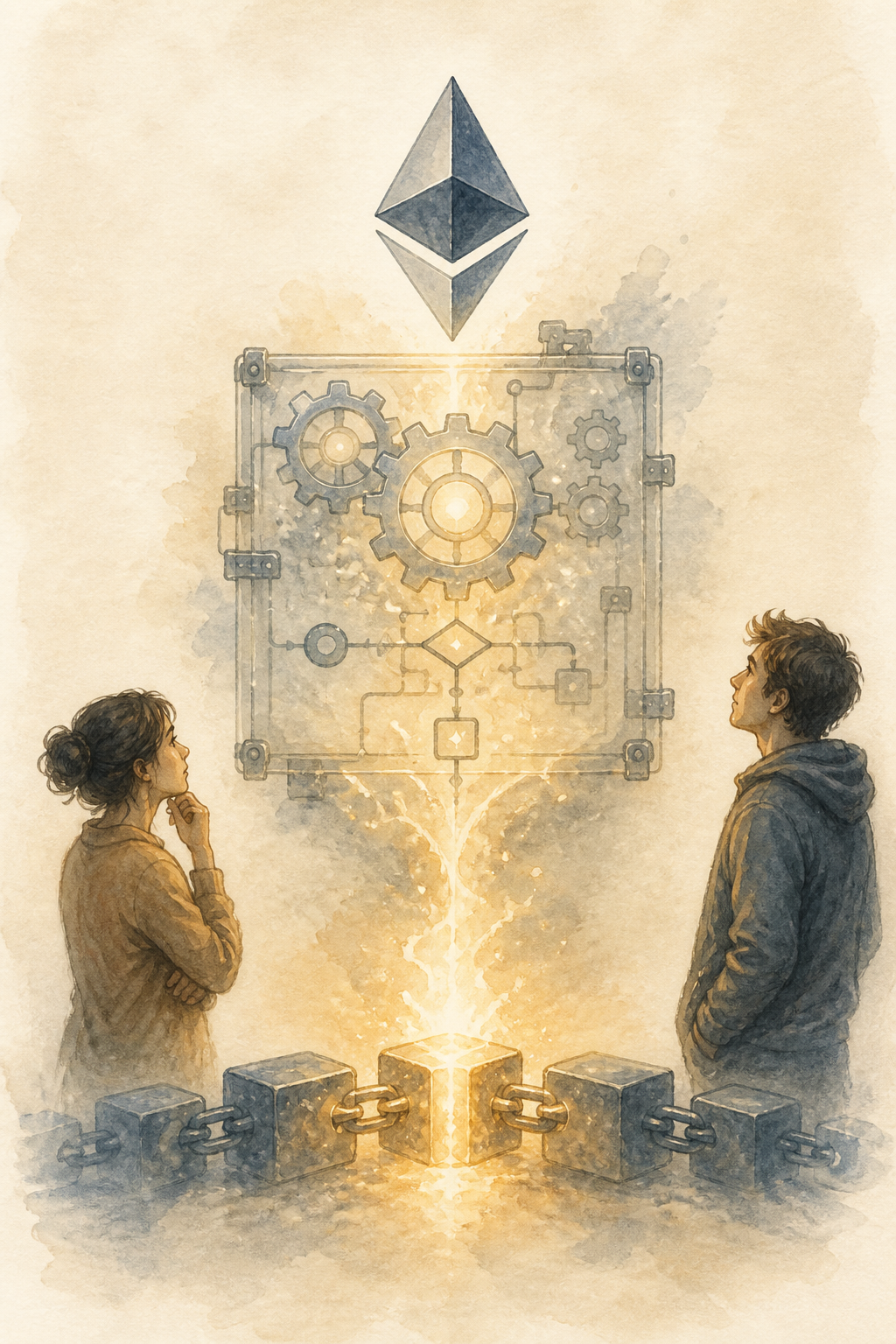
A smart contract is code that runs on a blockchain.
For a decentralized application, smart contracts may manage tokens, lending, voting, swaps, or game items.
Because the rules are public, users can inspect them. Still, public code can contain bugs.
The takeaway
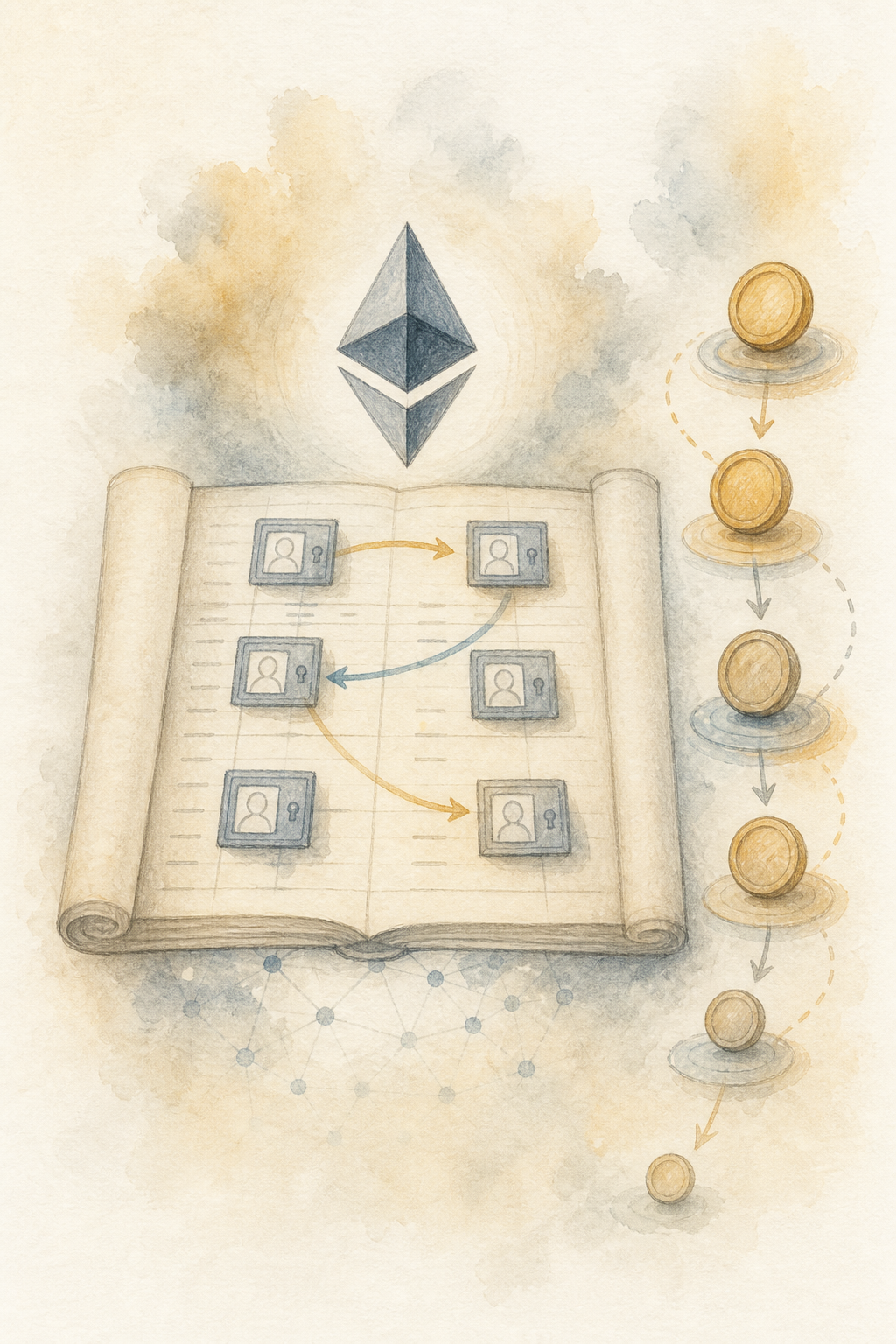
A decentralized application combines a frontend, wallets, smart contracts, and on-chain state.
It can be powerful because users interact with open rules. However, they must also understand fees, signatures, and contract risk.